
Nepal vs Pakistan: Why Choose Pakistan for a Hiking Tour?

When people think of trekking in Asia, Nepal is usually the first country that comes to mind. And for good reason, it’s home to legendary routes like Everest Base Camp and the Annapurna Circuit, a well-developed trekking infrastructure, and a long tradition of welcoming hikers from around the world.
But for those seeking something more raw, more remote, and less commercialized, Pakistan offers an experience that feels entirely different, deeper, wilder, more intimate, and in many ways more rewarding.
Here is the complete comparison:
1. The Landscapes: Wild vs. Iconic
Nepal offers classic Himalayan landscapes: terraced fields, rhododendron forests, towering snow peaks, and beautiful villages. The scenery is undeniably stunning — but also familiar. Many routes follow well-established trails with tea houses every hour and a steady flow of trekkers.

Pakistan, on the other hand, feels untouched. Its mountains are sharper, more dramatic, and more imposing — a blend of the Karakoram, Himalayas, and Hindu Kush all meeting in one region. You’re surrounded by some of the highest and wildest peaks on the planet: K2, Nanga Parbat, Rakaposhi, the Passu Cones. The landscapes shift from apricot orchards and stone villages to glaciers, turquoise rivers, and massive granite walls. The feeling is not “a famous trail” — but “a frontier of the world.”
For pure raw mountain drama, Pakistan is hard to beat.

2. The Crowds: Solitude vs. Popular Routes
Nepal’s trekking routes are famous, but also heavily trafficked. During peak season, the paths to Everest Base Camp or Annapurna can feel crowded, with lodges booked out and long lines on suspension bridges.
Pakistan is the opposite. Even on well-known routes like the K2 Base Camp trek, you may walk for hours without seeing another group. Villages are quieter, valleys feel undisturbed, and the mountainsides stretch endlessly without signs of tourism. For hikers who crave solitude, authenticity, and the sense of being truly remote, Pakistan offers what Nepal offered decades ago — before it became a global trekking hotspot.
3. The Culture: Sacred vs. Welcoming
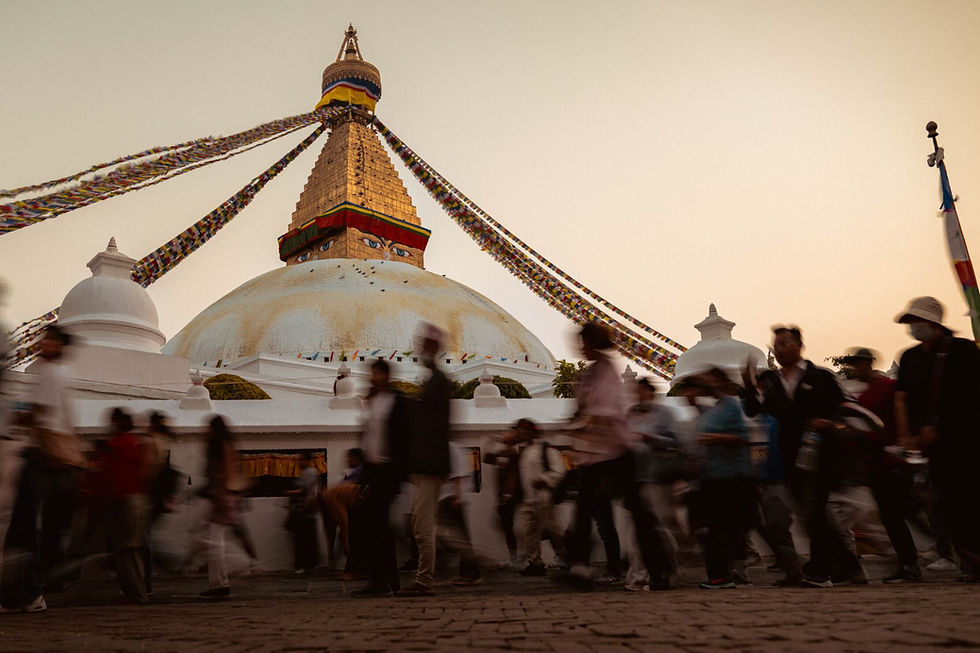
Nepalese mountain culture is spiritual and deeply connected to Buddhism and Hinduism. The monasteries, prayer wheels, and rituals add a serene dimension to the trekking experience.
Pakistan, on the other hand, is defined by warmth, hospitality, and human connection. People invite you for tea, children run out to greet you, and villagers will often treat you like family. It’s not about religion or rituals, it’s about human warmth. You feel the culture everywhere, in the markets, the food, the tea houses, and the daily life of remote mountain communities.
Both countries are culturally rich, but in Pakistan the interactions often feel more personal and spontaneous.
4. The Difficulty Level: Accessible vs. Adventurous
Nepal has a very streamlined trekking infrastructure. There are tea houses, menus, guides, porters, medical posts, and trails designed for all fitness levels. Even high-altitude hikes can feel relatively safe and supported.
Pakistan is more adventurous. Trails can be rocky, rugged, and less maintained. Camps are often part of the experience, and the terrain can be steeper or more demanding. It’s not unsafe, but it’s more challenging and less “commercial.” For hikers who want a true adventure with a sense of achievement, Pakistan delivers a deeper feeling of exploration and accomplishment.

5. The Sense of Discovery
In Nepal, the famous routes are well-documented and often follow predictable patterns. You know exactly what to expect at every stage.
In Pakistan, much of the experience feels undiscovered. Valleys feel like they’re waiting for you. Villages are untouched by tourism. Trails are less defined, peaks feel closer, and the sense of stepping into the unknown is exhilarating. You feel like a traveler, not a tourist.

6. The Seasons & Natural Phenomena
Nepal’s best trekking season is spring and autumn, largely defined by clear skies and stable weather.
Pakistan has something unique: the magical fall season in the north, golden apricot orchards, blazing poplar trees, and dramatic contrast between fiery colors and snow-capped peaks. Hiking during this period feels surreal, like walking through a painting.

Why Choose Pakistan for a Hiking Tour?
If you want:
Raw nature
Untouched landscapes
Very few tourists
Warm local encounters
Dramatic mountain scenery
A sense of real adventure
Unique fall colors found nowhere else in Asia
…then Pakistan is the obvious choice.
Nepal is beautiful, structured, and iconic, perfect for first-time trekkers or those wanting comfort. Pakistan is wild, soulful, remote, and transformative, made for hikers seeking something deeper and more powerful.


Great comparison—this really highlights why Pakistan offers a more raw and authentic hiking experience compared to Nepal.For those planning a trip, this guide on hiking in Pakistan also shares useful insights on routes and adventure options.